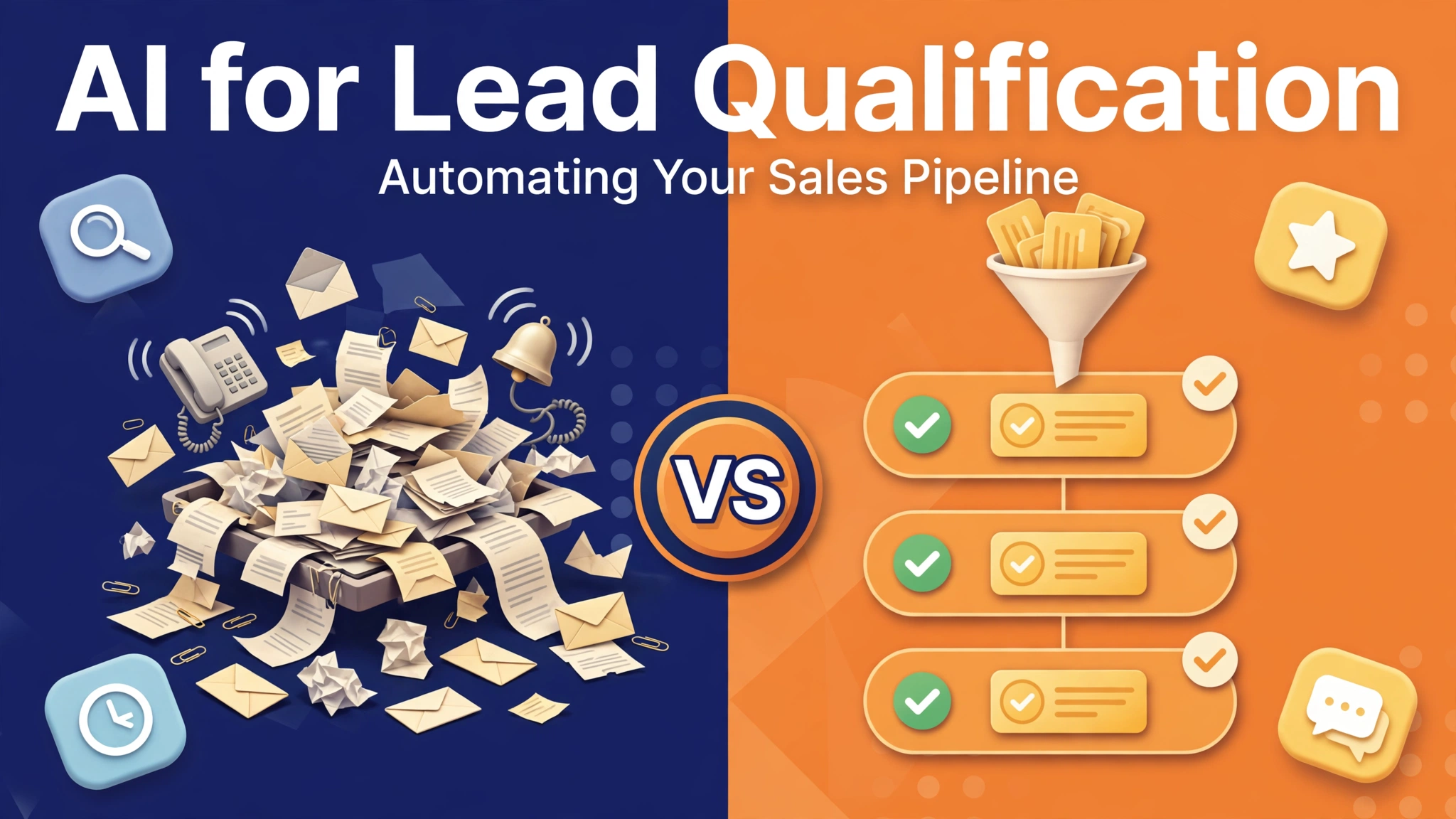
AI for Lead Qualification: Automating Your Sales Pipeline
AI lead qualification explained: how automated scoring, routing and follow-up sort real buyers from casual browsers, and what to set up first.
 Talha Javed7 min read
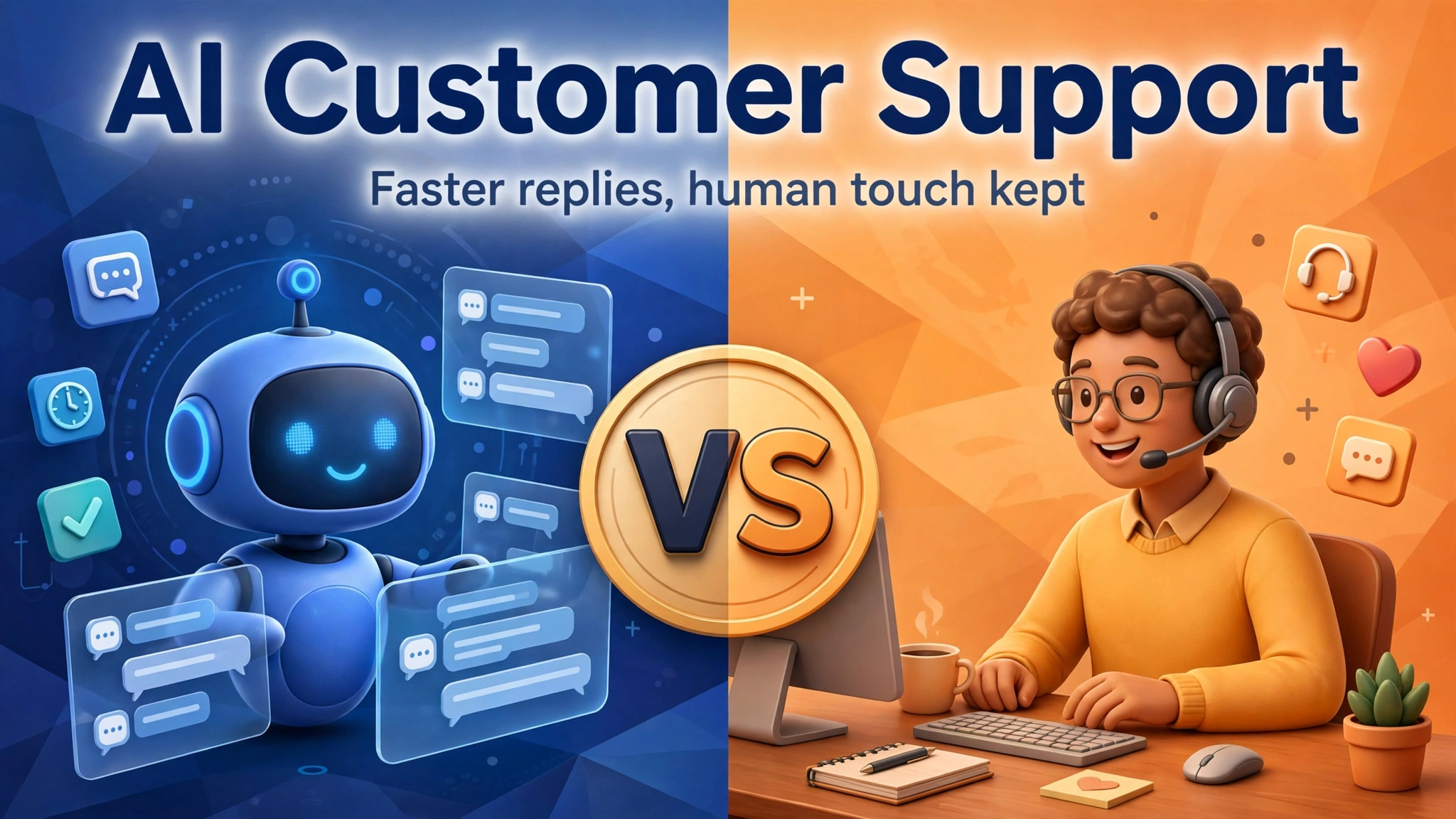
Your customer messages you at 11pm. She wants to know if the Saturday slot is still free, or whether the dress she ordered will arrive before Friday. Nobody on your team is awake, and that is exactly the gap AI customer support fills. By morning she has booked somewhere else.
That is the moment AI customer support is built for. Not to replace your team, but to answer the simple question at 11pm, so your team can do the real work at 9am.
AI customer support means software that reads a customer message and replies on its own when the answer is clear. It can also draft replies for your staff and hand over to a human. This post is for the owner deciding whether it fits: a clinic, a salon, an online store, a small software company.
An AI support tool does four things. It answers repeat questions: opening hours, prices, delivery times, booking links, return policy. It collects the details a human would ask for anyway, so your staff opens the chat with the context already there. It routes, sending a complaint to one person and a booking request straight to the calendar. And it drafts, so your staff edits a ready first version.
What it does not do is care. It cannot read that a customer is upset about a missed appointment, or that a first time buyer is nervous about spending real money. It can spot the words. It cannot feel the weight behind them. That is why the human stays in the loop.
Customers do not expect a reply in five seconds. They expect to know they have been heard. A short, honest acknowledgement beats a long silence. “Thanks for messaging, we will confirm your slot within the hour” keeps a person calm.
They also expect the answer to match the channel. A WhatsApp message should sound like a WhatsApp message, short and direct. A website chatbot should answer in one or two lines, not dump a wall of text.
People can tell when they are talking to a machine, and most of them do not mind, as long as nobody pretends otherwise. Say it plainly. “Hi, I am the assistant here at the clinic, I can help with bookings and prices.” Honesty builds trust. Pretending a bot is a person destroys it the moment it is found out.
Start with your team’s repeated questions. Write down the ten most repeated ones.
For clinics and salons, booking and availability come first. “Are you open on Sunday?” “Do you have a slot tomorrow afternoon?” “How much is a facial?” An assistant that checks a live calendar and quotes the right price saves your receptionist dozens of interruptions. For online stores, start with delivery and returns. “Where is my order?” “How long does shipping take?” These answers live in your order system already.
Notice what is missing. Complaints. Refunds that need judgement. Anything where the customer is upset. Those stay human from day one. Automate the question, not the conversation. Let the AI handle the single clear question, and hand over the moment a follow up needs judgement.
The first complaint. When something went wrong, the customer wants a person to say sorry and mean it. A bot apology reads like a shrug. A human apology, followed by a fix, often turns an angry customer into a loyal one.
The sensitive conversation. A clinic patient nervous about a treatment. A customer telling you a product arrived broken before a wedding. Here tone matters more than speed, and tone is a human skill.
The big decision. A customer choosing between your most expensive package and the mid range one, or a business asking for a custom quote. A person ready to spend serious money wants to talk to someone who understands what they are buying. In our experience, pushing these talks to a bot is the fastest way to lose a nearly closed sale.
The regulars. Your best customers deserve a human greeting. A simple rule fixes this: known customers go straight to a person.
There is no single best tool, only the right fit for your size and your channels. A clinic or salon lives on WhatsApp and Instagram, so your AI support should live there too, not only on your website. Put the assistant where the messages already arrive.
An online store lives on order data. The assistant needs to see orders, stock, and delivery status. Without that connection it can only give general answers. When comparing tools, ask first: does it connect to my store, or only read a help page? A software company lives on email and live chat. There the assistant should draft replies and sort tickets by urgency. A wrong confident answer costs more than a slow correct one.
Before you sign anything, ask: can I see every conversation, can I change its answers myself, and what happens when it does not know? If the answer to the first two is no, walk away. If you want a sense of what these tools cost to build rather than rent, our guide to AI chatbot development costs in 2026 breaks down the real price ranges and what drives them.
Forget the idea that every reply must arrive in seconds. Aim for something your team can keep up, every day, including weekends. For a first acknowledgement, aim for under a minute on chat, day or night. An instant acknowledgement is enough.
For a full answer to a simple question, aim for under five minutes. For a question that needs a human, aim for under an hour during working hours, and be honest about it outside them. For complaints, speed matters more than polish. A human reply within the hour matters more than a perfect reply tomorrow.
Check this weekly. Averages hide the ten customers who waited all day.
Starting small is not a compromise. It is the whole strategy. Week one, listen. Read a hundred recent messages and sort them into three piles: simple questions, questions that need a person, and complaints. The simple pile is your launch scope.
Week two, write the answers. Not the vendor, you. Write them the way your best staff member speaks: short, warm, direct, no jargon. The AI will copy your tone, so give it a good one to copy.
Week three, go live on one channel only. WhatsApp, or your website, not both at once. Watch every conversation. Add a clear escape at every step: “type agent to talk to a person”. Customers who cannot reach a human get angry fast, and rightly so.
Week four, review and widen. Which questions did the AI answer well? Add the next batch, and only then open the second channel. Two rules run through all of it. Never let the AI guess. If it does not know, it should say so and bring in a person. And tell your customers what changed. People accept change they were told about.
Our post on AI lead qualification and automating the sales pipeline shows how the same approach sorts new enquiries before they reach your team.
Three mistakes undo the work: automating too much too fast, hiding the human, and never checking the conversations.
Some will, at first, if the AI pretends to be human or keeps them from reaching a person. In our experience, most accept it quickly when the answer is fast and a human is one tap away. The annoyance comes from being trapped, not from the technology.
It depends on whether you rent a ready made tool or have one built for your business. A simple off the shelf assistant can cost less than a part time hire each month. A custom build costs more up front and saves more time later. Start simple and upgrade when the volume justifies it.
Yes, and for many small businesses that is where it matters most. The assistant can reply there the same way it replies on your website, as long as the tool supports those channels. Check this before you buy, not after.
It should hand over to a human and log the mistake, so you can fix the answer. This is normal in the first weeks. The right question is whether you can see mistakes and correct them quickly. If the tool hides its conversations from you, choose a different one.
AI customer support is not about removing people from your business. It is about removing the repetitive work from your people. Answer the simple questions instantly. Hand the hard ones to a human quickly. Check the conversations every week.
Start with your ten most repeated questions, on one channel, and watch it for a month.
If you want help setting it up, or you are not sure which parts of your support should be automated and which should stay human, book a free strategy call. We will look at your actual messages and map out what to automate first. We reply within 24 hours.
More from the studio.
AI lead qualification explained: how automated scoring, routing and follow-up sort real buyers from casual browsers, and what to set up first.
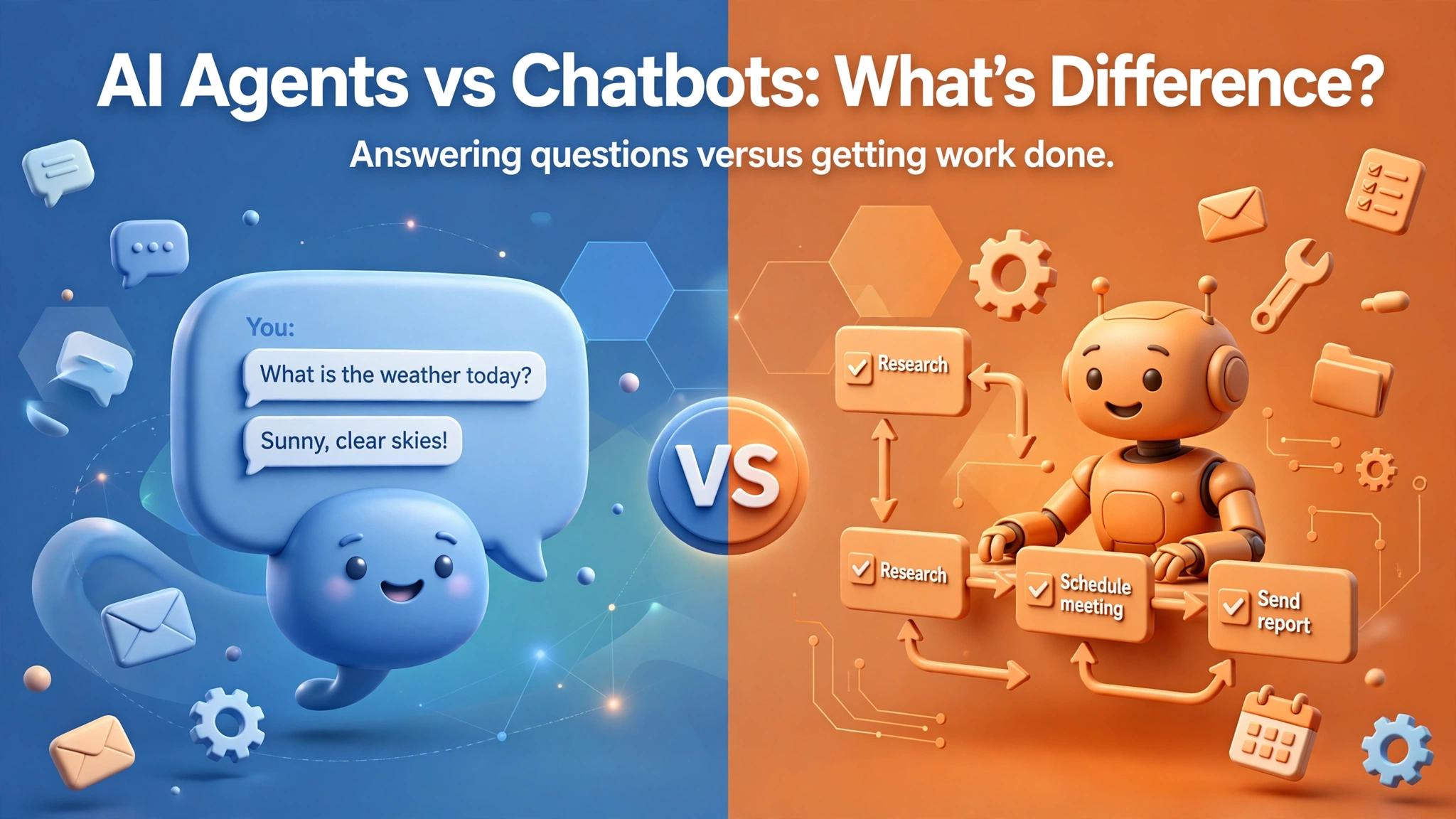
Talha Javed7 min readAI agents vs chatbots explained: what each one actually does, when a simple chatbot is enough, and when you need an agent that can take action for you.
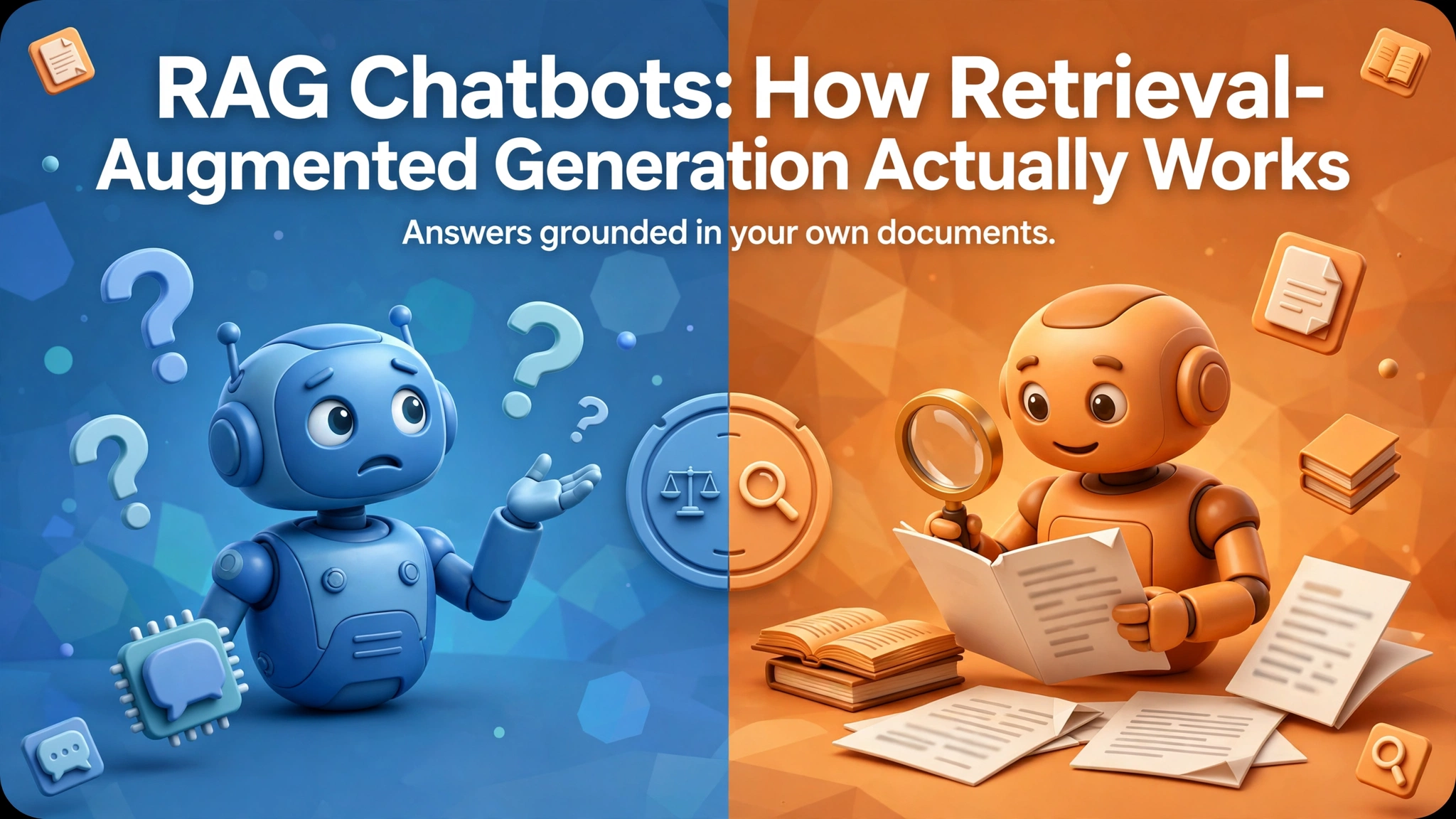
Talha Javed7 min readA RAG chatbot explained in plain terms: how retrieval-augmented generation grounds answers in your own documents, and where it still needs care.
Talha Javed7 min readA free 30-minute call with a senior engineer. You leave with a plan and a price range, whether or not you hire us.