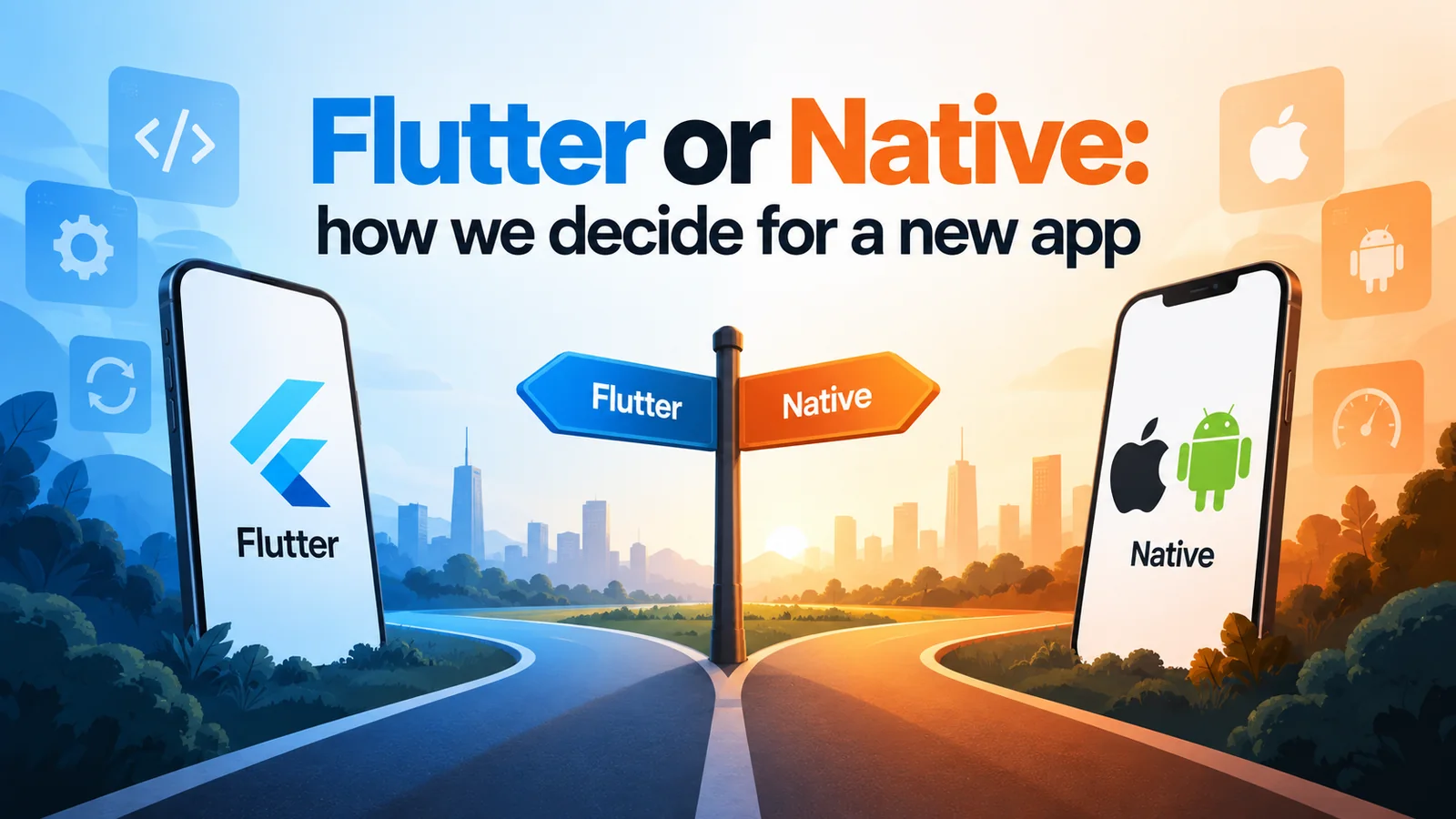
Flutter or native: how we decide for a new app
Most apps should be built once in Flutter. Some should not. Here is the short checklist we run through with every client before writing a line of code.
 Talha Javed2 min read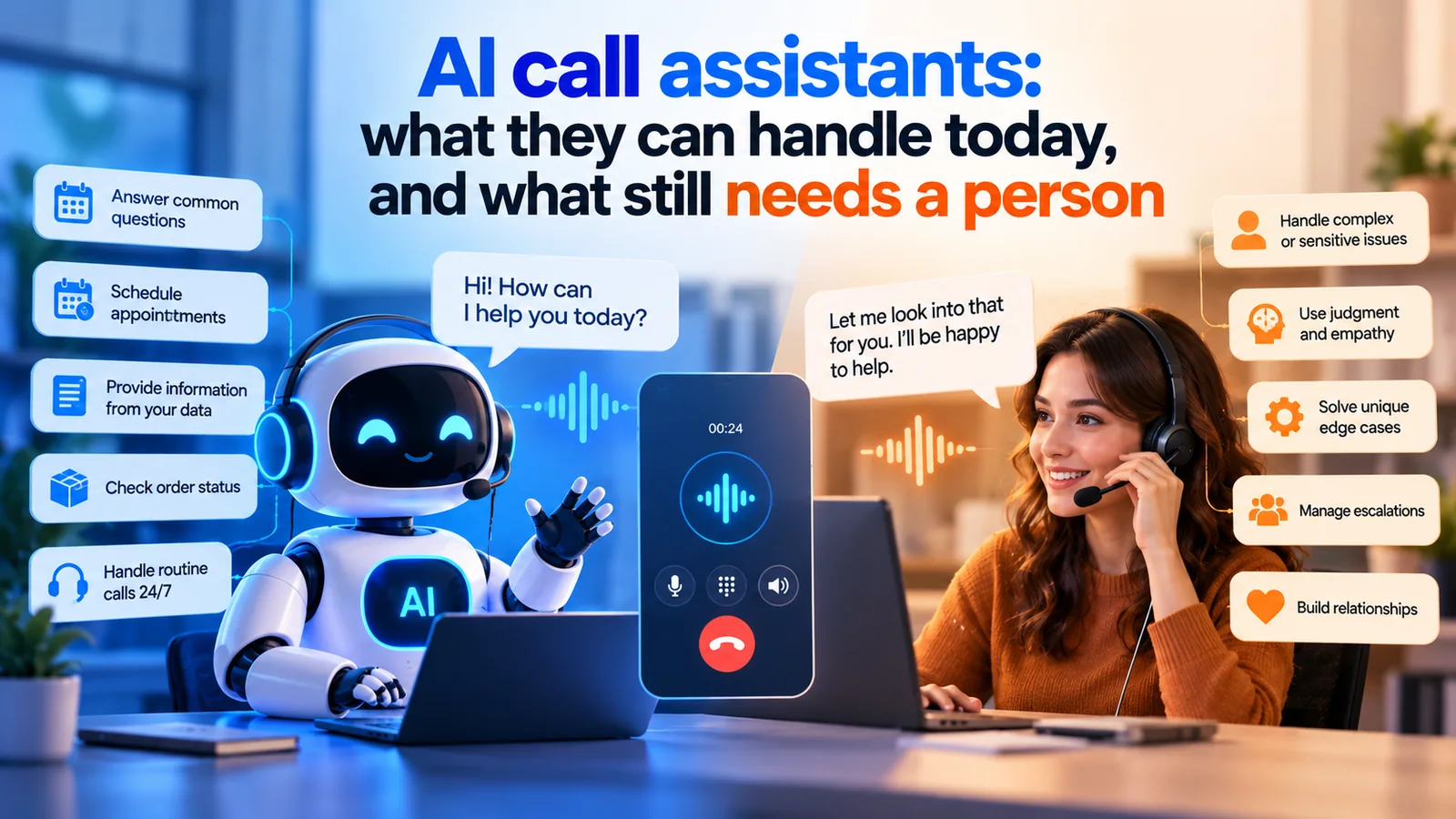
Voice is the AI use case clients ask about most, and the one with the widest gap between the demo and the reality. A good demo is ten seconds long. A real call has background noise, interruptions, accents, and a caller who wants to talk about three things at once. We have built enough of these to have clear views on where they work.
The thing that separates a useful assistant from an infuriating one is how it gives up. We design every assistant with:
The assistant connects to your calendar, CRM or order system through their APIs, in your accounts. Call audio and transcripts are stored where you decide, with retention you set. Running costs are mostly per-minute telephony and model usage; we estimate them from your call volume before the project starts and show you the number.
Count the calls your team takes in a week that fall into the first list above. If it is a meaningful fraction, an assistant pays for itself quickly and your people get their day back for the calls that need them. If almost every call is in the second list, we will tell you that, and suggest something else.
More from the studio.
Most apps should be built once in Flutter. Some should not. Here is the short checklist we run through with every client before writing a line of code.
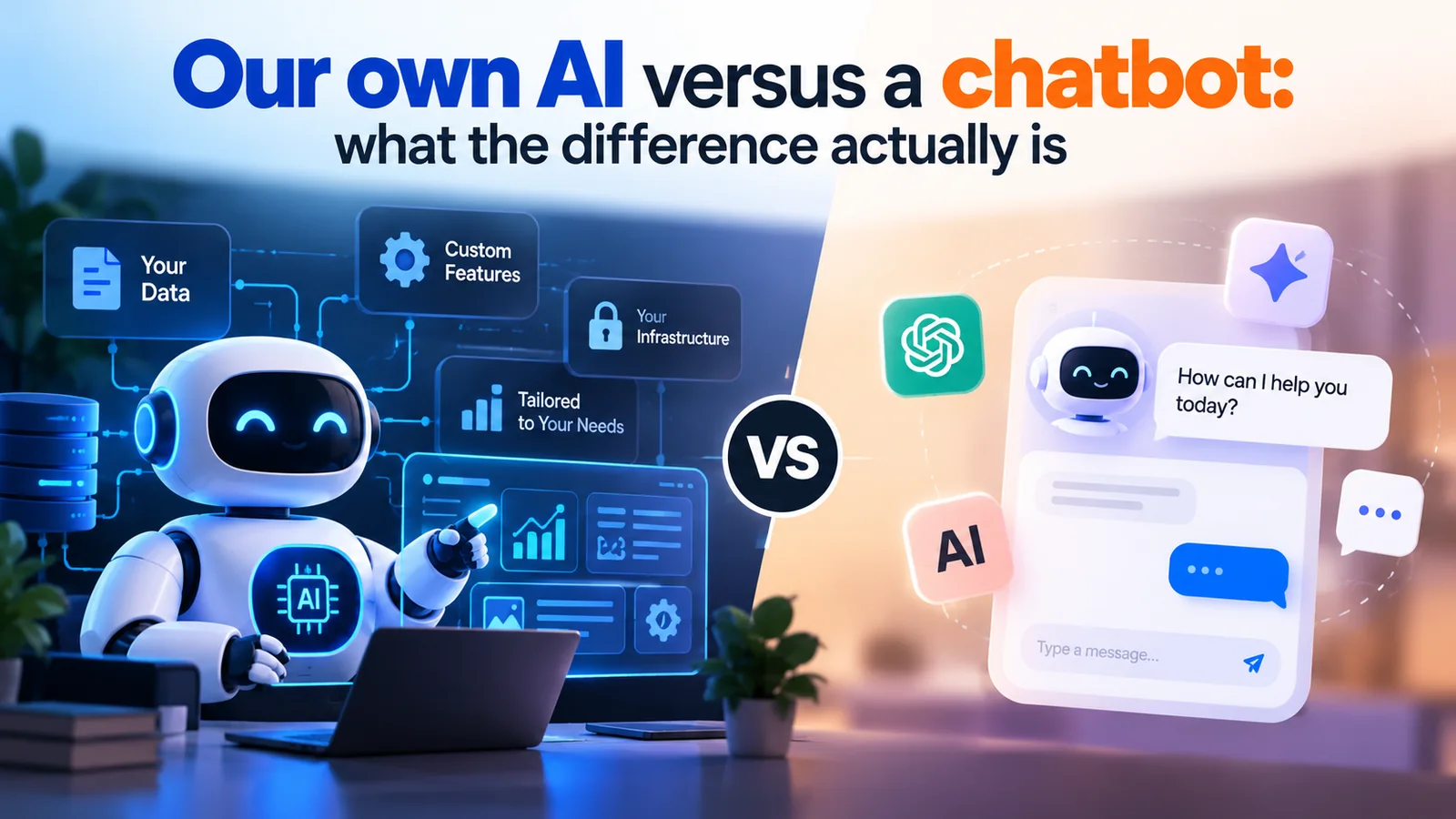
Talha Javed2 min readA generic chatbot and an AI trained on your business look the same in a demo. They behave very differently in month three. Here is what sits behind each, and when a simple chatbot is all you need.
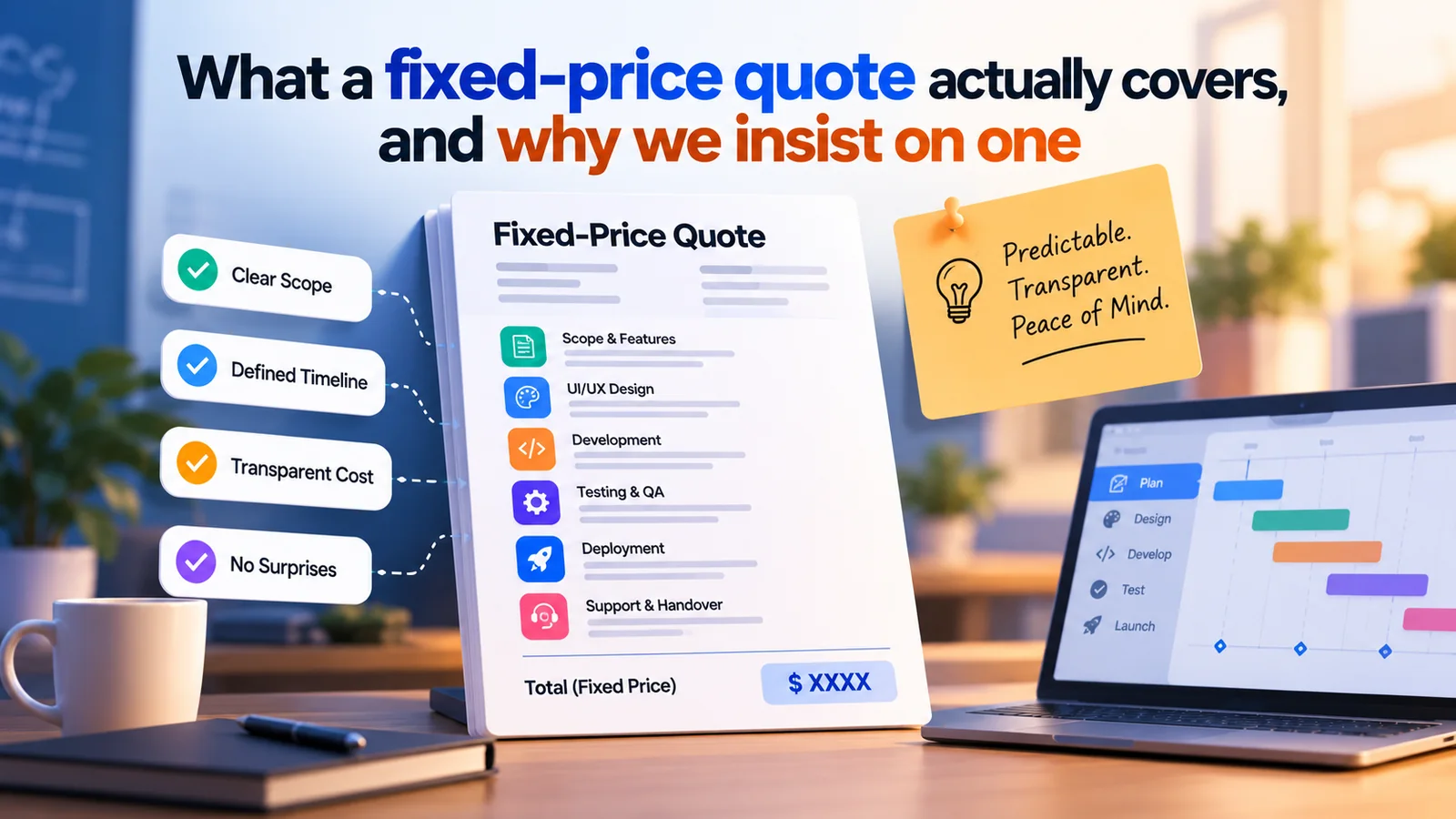
Hourly billing moves the risk onto you. A fixed price moves it onto us, which is where it belongs. Here is what goes into ours, what is excluded, and how changes are handled without drama.
A free 30-minute call with a senior engineer. You leave with a plan and a price range, whether or not you hire us.